

Why two equally experienced leaders can make completely different decisions in the same situation
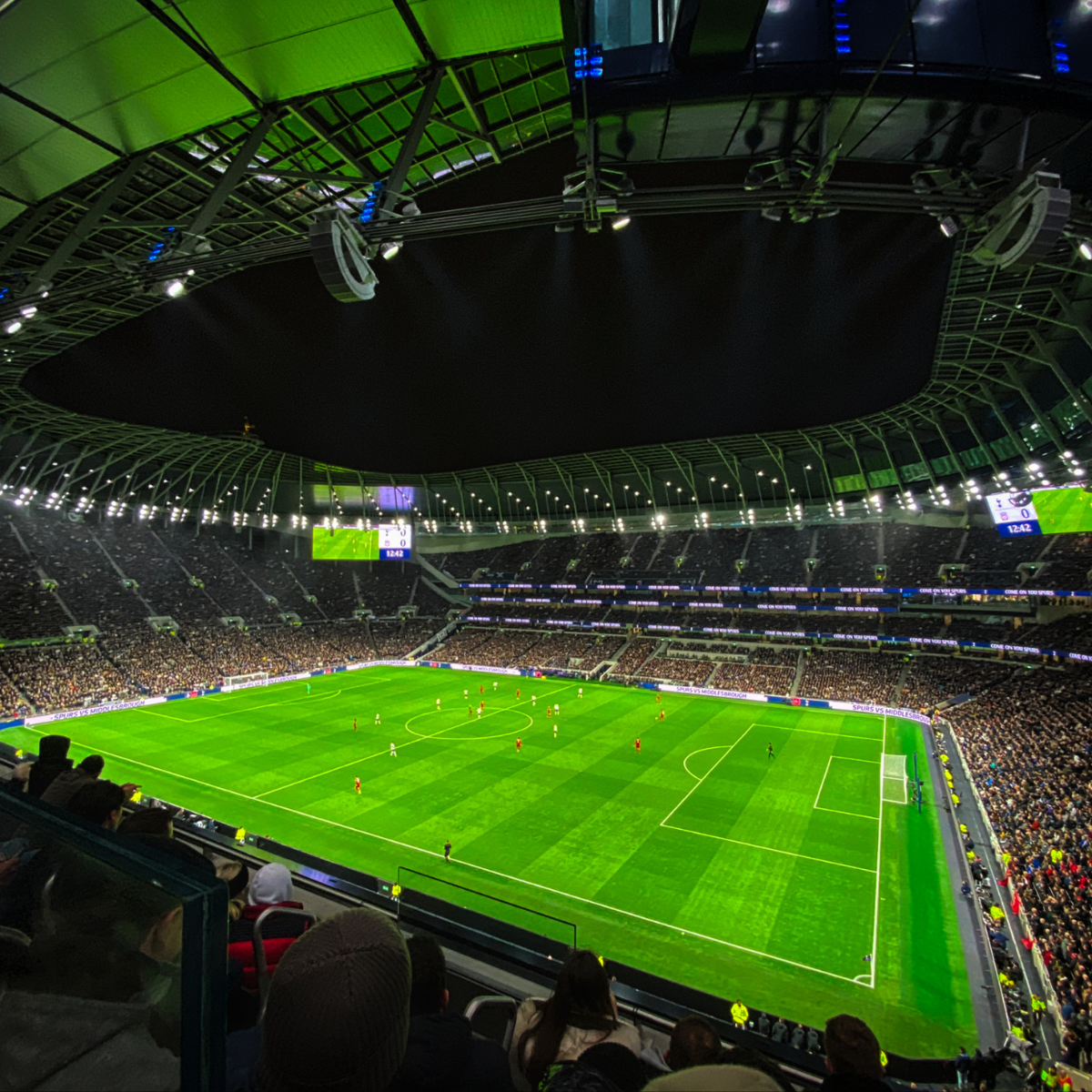
As the World Cup reaches the semifinals, the best football players in the world are preparing to step onto the pitch.
By this stage of the tournament, every player is technically exceptional.
Everyone is fit.
Everyone has spent years training.
Everyone knows exactly what they're supposed to do.
Yet one player will calmly score a penalty in front of 80,000 people.
Another will miss.
Why?
A few years ago I had a conversation with a CEO who had previously competed as a professional athlete.
He told me he felt his sporting background had helped him enormously in business.
I told him I thought the same thing.
Because leading a company and competing at the highest level of sport have far more in common than most people realize.
At the beginning of a career, knowledge, experience, and technical ability create most of the performance gap.
At the highest level, almost everyone already has those.
That's where something else begins to matter.
Not because knowledge and experience stop being important, but because they are no longer enough on their own.
Two footballers have almost identical technical ability.
One freezes when taking the deciding penalty.
The other doesn't.
Similarly, two CEOs have decades of experience.
One becomes overwhelmed when the market suddenly shifts.
The other remains calm enough to see opportunities everyone else misses.
Experience is valuable.
But experience only helps if you can still access it under pressure.
When stress pulls you into fight-or-flight, clarity narrows, perception changes, and your ability to access everything you've learned begins to diminish.
That's why two equally experienced leaders can make completely different decisions in the same situation.
The same applies to elite athletes.
When everything is happening quickly, there often isn't time to consciously analyse every variable.
Elite athletes know this.
They talk about instinct.
Reading the game.
Being in flow.
The same thing happens in leadership.
They often describe simply knowing which decision feels right before they can explain why.
Some leaders call it a gut feeling.
I usually call it intuitive intelligence.
Whether we call it instinct on the sports field or intuitive intelligence in leadership, we're talking about the same human capability: knowing before we've consciously worked it out.
We spend enormous amounts of time developing external capability.
Athletes train their bodies.
Leaders develop knowledge, gain experience, refine their strategies, and build better systems.
All of those matter.
But when the pressure is highest, your performance depends on something else.
It depends on the quality of your inner capabilities and your ability to access them when they matter most.
Because once we're in fight-or-flight, our world becomes smaller.
We see fewer possibilities.
We become more reactive to what's happening around us.
And we lose access to parts of ourselves that are available when we're calm.
That's why your ability to remain calm...
To stay clear...
To trust your perception...
To access your intuition...
And to make good decisions when there isn't enough time (or enough information) to be certain...
...becomes so important.
At the highest levels of performance, the differentiator isn’t just what you know.
Its your ability to access everything you already have within you, including intuition, when the pressure is on.
So, here's a question worth asking yourself:
Are you spending as much time developing your inner capabilities as your external ones?